
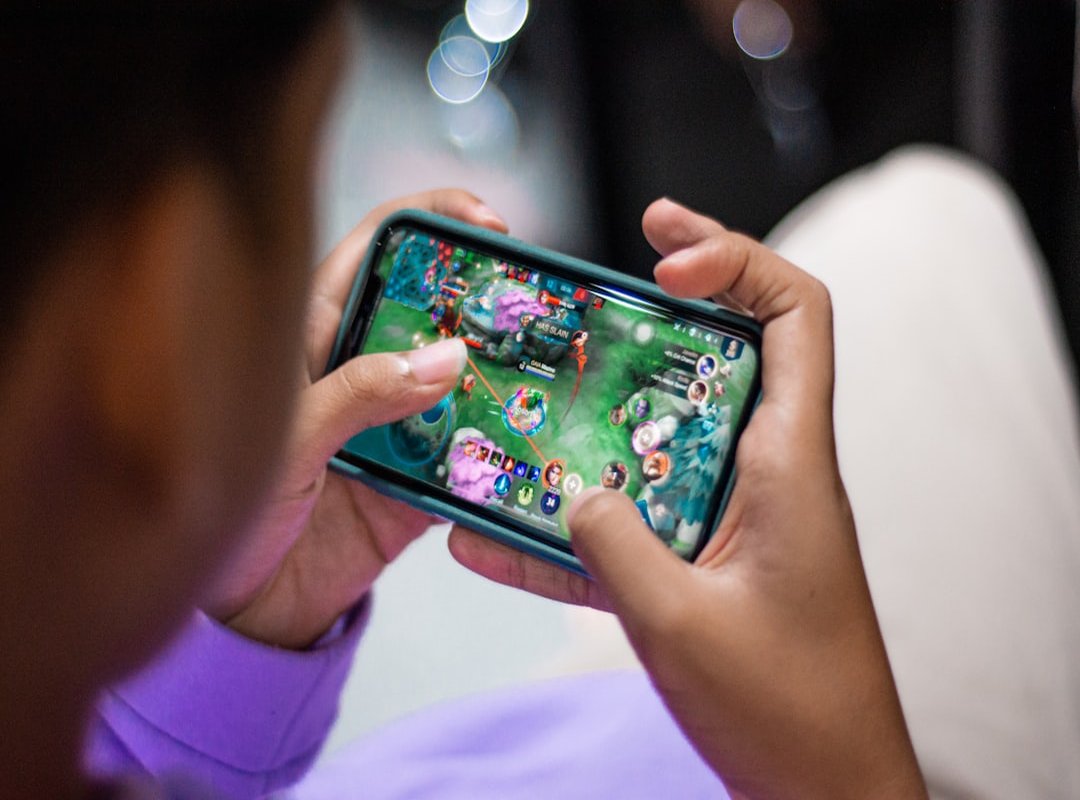
Did you know mobile gaming revenue now surpasses PC and console gaming combined? Shocking, right? Most folks see this trend but don’t get the forces behind it.
Why the mobile gaming rise? It’s not just about convenience or app stores. It’s a fundamental shift in tech and economics.
Trust me, I’ve been analyzing gaming hardware and industry trends for ages. It’s like watching a revolution unfold in your pocket.
But what’s driving this change? Bigger screens? Faster processors?
Sure, but there’s more. We’re talking about a complete restructuring of entertainment as we know it. This article will break down the why and how.
You’ll get an authoritative look at the deeper tech and market shifts, not just the surface stuff. Ready to dive in? Let’s get to it.
By the Billions: Mobile Gaming’s Unstoppable Surge
Mobile gaming’s rise is nothing short of staggering. Did you know it’s outpacing the entire global film and music industries combined? It’s true.
According to Newzoo, the mobile gaming market pulled in over $90 billion last year. That’s not just big; it’s massive.
Now, let’s talk players. Over 3 billion worldwide (yes, billion with a “B”). That’s more gamers than some countries have people.
Asia-Pacific leads, unsurprisingly. But don’t sleep on Latin America and Africa. They’re catching up fast.
These regions are seeing growth that might just surprise you.
Speaking of surprises, augmented reality transforming gaming experience is another dimension of this expansion. It’s fascinating how technology keeps evolving to keep gamers hooked.
Sure, skeptics might argue the bubble will burst. But if you ask me, it’s not just a fad. Mobile gaming’s accessibility means anyone, anywhere can dive in.
And that’s why it’s here to stay.
Got a doubt about this? Look around. Everyone’s glued to their phones, tapping away.
Gaming isn’t just for consoles anymore. Welcome to the era where your phone is your playground.
The Tech Trifecta: Hardware, Networks, and Engines Fueling
The explosion of mobile gaming isn’t a happy accident. It’s a calculated surge powered by three technological pillars. Pillar 1: Pocket-Sized Powerhouses. Mobile System-on-Chips (SoCs) have evolved dramatically. Remember when your phone was just for calls?
Apple’s A-series and Qualcomm’s Snapdragon chips have changed that game. Now, these little beasts pack the power of last-gen consoles. We’re talking console-quality graphics and complex physics right in your palm.
It’s wild, right? You can now run 3D games with ease on your phone. That’s not just cool (it’s) game-changing.
Pillar 2: The End of Lag (5G & Wi-Fi 6). Faster downloads are old news. What 5G and Wi-Fi 6 really offer is low latency. That’s the secret sauce for competitive online multiplayer games. Ever tried cloud gaming? Services like Xbox Cloud Gaming and GeForce NOW are now legit options for mobile. This isn’t just a convenience. It’s a whole new way to experience gaming. Imagine playing Call of Duty on the subway with no lag. That’s the power of these networks.
Pillar 3: Democratized Development. Game engines like Unity and Unreal Engine are game-changers (literally). They let developers create stunning games that run on mobile, PC, and consoles from a single codebase. This cross-platform magic simplifies development and cuts costs. It means more games, faster. And better games too. Developers have a playground like never before.
Together, these pillars are driving the mobile gaming rise like a rocket. It’s not just a trend. It’s the future.
And we’re all riding the wave.
From Time-Killer to Triple-A: Mobile Game Design’s Big Leap
Remember when mobile games were just cute ways to kill time? Angry Birds had us launching feathered projectiles across our screens. Fun, but not exactly deep.

Fast forward to now, and we have AAA Mobile games like Genshin Impact and Call of Duty: Mobile. These aren’t just mindless taps (you know it too). They’ve got expansive worlds, complex stories, and graphics that rival consoles.
It’s a whole new ballgame.
What does “AAA Mobile” even mean? It’s when a game on your phone looks and feels as intense as something you’d play on a console. Think massive worlds and storylines that suck you in.
Remember Diablo Immortal? It’s not just a mobile game. It’s a full-fledged experience.
This shift in mobile gaming rise isn’t just about better-looking games. It’s about the business model as well. We used to see in-app purchases as the main moneymaker.
Buy a few lives, spend a few bucks. But now? It’s all about that Games as a Service (GaaS) model.
Continuous updates, battle passes, and seasonal content keep us hooked. And paying.
Free-to-play models attract more people than ever. No $70 price tag means more players can dive in without hesitation. It’s brilliant and, honestly, a little sneaky.
But it works. The esports changing future gaming is proof of how the gaming industry keeps evolving.
So, are we witnessing a mobile gaming revolution? Yep. With these AAA experiences, mobile isn’t just a distraction anymore.
It’s a serious platform, pushing boundaries every day. And let’s be real, we can’t ignore it.
Blurring the Lines: Mobile’s Game-Changing Evolution
Ever start a game on your PlayStation 5, switch to your PC, and finish on your iPhone? That’s cross-play and cross-progression for you. It’s not just a feature (it’s) liberation.
Fortnite nailed this concept. You jump between platforms, and your progress follows seamlessly. It’s a revolution for player freedom.
Who wouldn’t love that?
Mobile gaming rise isn’t just a catchy phrase; it’s reality. Look at the second screen phenomenon. Your phone isn’t just for calls anymore.
It’s a companion app, your inventory manager, and your cloud gaming device. While playing a console game, you can manage gear on your phone. It’s like a digital (without being cliché).
Mobile-first design philosophies are another game-changer. Daily login rewards and streamlined UIs? Originally mobile concepts.
Now they’re invading PC and console games. Love it or hate it, this shift is huge. Service-based content drops keep you hooked, and mobile’s to blame (or thank).
And what about cloud streaming? It’s wild. You can access your console library from anywhere.
Stuck on a train? No problem. Your phone’s your console now.
It was unimaginable a decade ago. Yet, here we are, gaming wherever we want.
Mobile isn’t just a secondary device anymore. It’s fundamental. It’s reshaping the space.
We aren’t just talking about games like Candy Crush either. The impact is far-reaching. It’s pushing traditional platforms to adapt.
Who knows what’s next?
Gaming’s future is mobile. And it’s only getting started.
Gaming’s Next Frontier
You’ve seen it: the forces driving the mobile gaming rise. It’s simple, really. Ignore mobile gaming, and you’re ignoring the biggest entertainment shift.
Solid hardware in our pockets, endless connectivity, and smart game design fuel this revolution. The future isn’t just one platform dominating. It’s a world where you play anywhere, anytime.
So, what’s next? Keep an eye on these trends. Jump in now.
Explore new games, new experiences. Miss it, and you’re out of the loop. Stay informed.
Visit pblinuxtech.com.co for the latest on gaming systems. Don’t let the next big wave pass you by.

 brook256 is the kind of writer who genuinely cannot publish something without checking it twice. Maybe three times. They came to game optimization tips through years of hands-on work rather than theory, which means the things they writes about — Game Optimization Tips, Hot Topics in Gaming, Expert Breakdowns, among other areas — are things they has actually tested, questioned, and revised opinions on more than once.
That shows in the work. brook256's pieces tend to go a level deeper than most. Not in a way that becomes unreadable, but in a way that makes you realize you'd been missing something important. They has a habit of finding the detail that everybody else glosses over and making it the center of the story — which sounds simple, but takes a rare combination of curiosity and patience to pull off consistently. The writing never feels rushed. It feels like someone who sat with the subject long enough to actually understand it.
Outside of specific topics, what brook256 cares about most is whether the reader walks away with something useful. Not impressed. Not entertained. Useful. That's a harder bar to clear than it sounds, and they clears it more often than not — which is why readers tend to remember brook256's articles long after they've forgotten the headline.
brook256 is the kind of writer who genuinely cannot publish something without checking it twice. Maybe three times. They came to game optimization tips through years of hands-on work rather than theory, which means the things they writes about — Game Optimization Tips, Hot Topics in Gaming, Expert Breakdowns, among other areas — are things they has actually tested, questioned, and revised opinions on more than once.
That shows in the work. brook256's pieces tend to go a level deeper than most. Not in a way that becomes unreadable, but in a way that makes you realize you'd been missing something important. They has a habit of finding the detail that everybody else glosses over and making it the center of the story — which sounds simple, but takes a rare combination of curiosity and patience to pull off consistently. The writing never feels rushed. It feels like someone who sat with the subject long enough to actually understand it.
Outside of specific topics, what brook256 cares about most is whether the reader walks away with something useful. Not impressed. Not entertained. Useful. That's a harder bar to clear than it sounds, and they clears it more often than not — which is why readers tend to remember brook256's articles long after they've forgotten the headline.