
The Deciding Factor: Platform Compatibility and Ecosystem
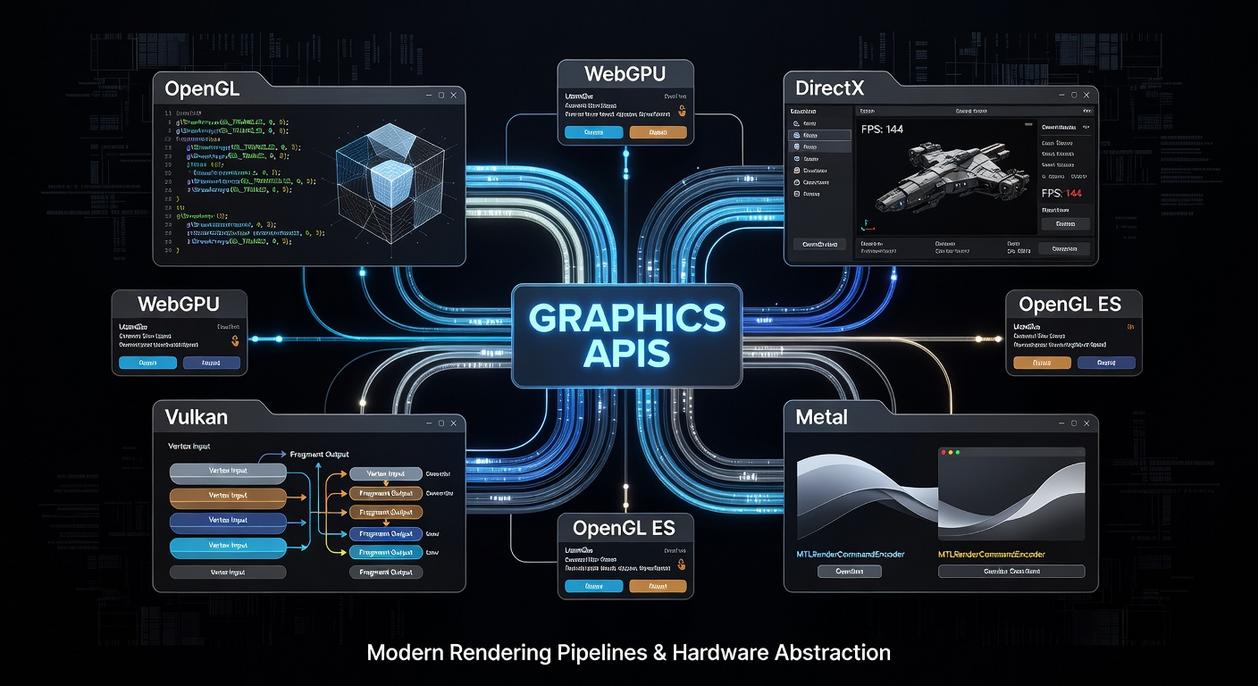
Let’s start with the hard truth I learned the frustrating way.
I once optimized a small indie project entirely around DirectX, assuming Windows dominance made it the “safe” bet. Technically, I wasn’t wrong. DirectX is a proprietary Microsoft API (Application Programming Interface, meaning a toolkit developers use to communicate with hardware). It works exclusively on Windows PCs and Xbox consoles. That tight integration is its greatest strength—deep driver support, mature tooling, predictable performance.
But it’s also the cage.
When we tried expanding to Linux, we hit a wall. DirectX simply doesn’t run there natively.
That’s where Vulkan, the open-source successor to OpenGL, changes the equation. Vulkan runs on Windows, Linux (including Steam Deck via Proton), Android, and even Nintendo Switch. It’s cross-platform by design, not by workaround.
Now, some argue DirectX’s Windows focus isn’t a weakness because most gamers still use Windows (StatCounter data consistently shows Windows dominating desktop OS market share). Fair point. If you’re shipping strictly to PC and Xbox, DirectX is efficient and battle-tested.
However, modern gaming isn’t that narrow anymore.
Vulkan is the backbone of Linux gaming. Proton—the compatibility layer that lets Linux users run thousands of Windows titles with near-native performance—relies heavily on Vulkan translation layers like DXVK. Without Vulkan, the Steam Deck wouldn’t be the powerhouse it is today (and that’s not exaggeration).
Pro tip: If cross-platform support is even remotely on your roadmap, decide early. Retrofitting later hurts.
This is why any serious vulkan vs directx api comparison must weigh ecosystem lock-in against platform freedom.
And yes, even topics like multiplayer security—see how anti cheat systems detect and prevent exploits—tie back to API support across operating systems.
In the end, compatibility isn’t just technical. It’s strategic.
vulkan vs directx api comparison: Which API Reigns Supreme?
We’ve broken down the core differences in this vulkan vs directx api comparison, from raw performance and low-level control to ecosystem lock-in and platform flexibility.
By now, your goal was simple: figure out which API actually makes sense for you. And the answer is clear.
There’s no universal winner. DirectX delivers a streamlined, powerful solution inside the Microsoft ecosystem—perfect for Windows and Xbox-focused development. Vulkan, on the other hand, offers unmatched cross-platform freedom, making it a major force for Linux, Steam Deck, mobile, and future-forward engines.
For gamers, your hardware and platform decide the hero. On Linux or Steam Deck? Vulkan is essential. On Windows? It depends on the game—so having a GPU that handles both well is key.
For developers, the choice defines your reach. Building exclusively for Windows/Xbox? DirectX is efficient and deeply integrated. Targeting PC, Linux, mobile, or multiple consoles? Vulkan gives you flexibility and long-term scalability.
If you’re still unsure which API best fits your setup or development roadmap, don’t guess. Dive deeper into optimization strategies, benchmark comparisons, and platform-specific guides to make the right call—and get the performance advantage you’re after.