
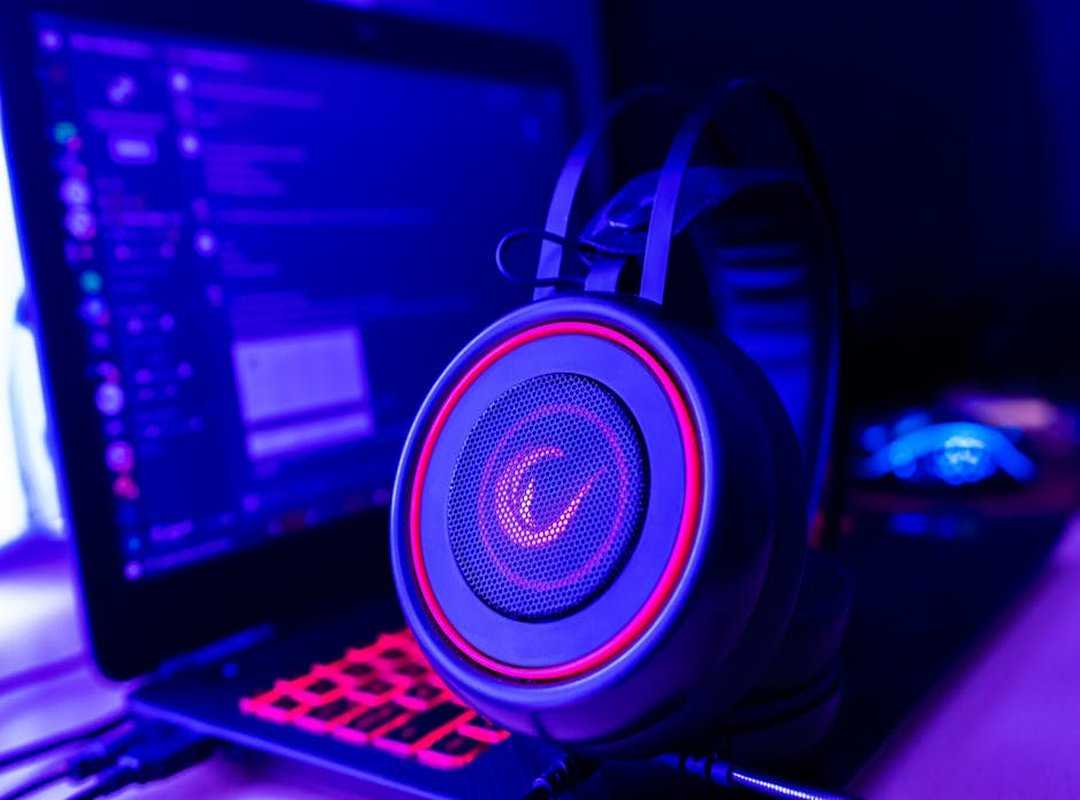
Ever been blown away by a game’s visuals only to find the experience falls flat because of lackluster sound? Yeah, me too. It’s frustrating.
We shell out big bucks for top-tier graphics cards and monitors, but what about the audio? It’s half the experience, and many gamers don’t even realize how much they’re missing out on. Sound isn’t just an add-on.
It’s a competitive edge.
Here’s where I come in. With years spent testing and fine-tuning gaming setups, I know what separates mediocre sound from a truly immersive game audio experience. Want to get lost in the game world like never before?
You’re in the right place. I’ll guide you through every step, from choosing the right hardware to those little software tweaks that make a huge difference.
By the end, you’ll understand how to create a soundscape that transforms your gaming into a fully engaging experience. Trust me, you’ll wonder how you ever gamed without it.
Listen Up: Why Ears Matter in Gaming
Ever find yourself utterly lost in a game, more so than a great movie? Immersive game audio is the secret sauce. Take ‘Red Dead Redemption 2’. The gentle rustle of leaves or distant howls make its world come alive.
Then there’s ‘Hellblade: Senua’s Sacrifice’ where the eerie whispers pull you right into Senua’s troubled mind. Without these sounds, the games feel flat, don’t they?
But it’s not just about atmosphere. Competitive gamers know how key sound is. I mean, in ‘Valorant’ or ‘Apex Legends’, hearing footsteps or weapon reloads can literally save your digital skin.
It’s those split-second decisions based on sound that separate the pros from the amateurs.
Music scores are emotional powerhouses. A well-crafted score swells and falls, pulling at your emotions as you traverse the game world. High-quality audio gear makes these moments unforgettable.
Without it, you’ll miss the magic.
Great audio isn’t just a nice-to-have. It’s important. Skipping over audio is like ignoring the dual monitor gaming setups pros cons (read more on topic).
You’re only getting half the story. Games are more than pixels and frames. They’re soundscapes waiting to be explored.
So, listen closer. Your victories and stories demand it.
The Great Debate: Gaming Headsets vs. Speaker Systems
When it comes to immersive game audio, the choice between gaming headsets and speaker systems can feel like a battle. I’ve been in both camps, and let me tell you, each has its merits.
Gaming Headsets
Gaming headsets are all about precision. Built-in microphones make team communication a breeze. You can whisper strategies without waking the whole house.
The noise isolation is a game changer. Literally. It blocks out distractions, so you can focus on every footstep in your competitive FPS matches.
Plus, they’re optimized for virtual surround sound, enhancing your spatial awareness.
But (and) there’s always a but (ear) fatigue is real. Long sessions can leave your ears sore. And the soundstage isn’t as expansive.
You might miss that cinematic feel you get with speakers. It’s a trade-off, for sure.
Speaker Systems (2.1, 5.1, etc.)
Now, if you’re after a massive, room-filling soundstage, speaker systems are your go-to. The bass from a subwoofer? It hits you right in the chest.
There’s no head-fatigue since nothing’s clamped to your skull. You can sit back and let the sound envelop you.
However, they’re not perfect. Precision isn’t their strong suit. You might struggle with positional audio in competitive games.
They can also disturb others, especially if you’re living in an apartment. And room acoustics can make or break the experience.
Which Is Right for You?
So, how do you decide? If you’re into competitive FPS games, a headset might be your best bet. They’re all about precision.
But if you’re more of a cinematic RPG fan, a speaker system could boost your experience. Think about your living situation too. In an apartment?
Headsets might be kinder to your neighbors. Got a dedicated game room? Go wild with a speaker system.
Budget is another factor. Headsets can be more affordable, while speaker systems might require a bigger investment. Either way, for those seeking the ultimate audio experience, responsive spatial audio for immersive gaming could be the next step.
So, what’s it gonna be? Headset or speakers? Your call.
Beyond the Motherboard: Unlocking Sound Potential
Ever wondered why your game audio sounds flat? It’s your motherboard’s fault. Onboard audio (the audio chip on your PC’s motherboard) is notorious for picking up electrical interference from other components.
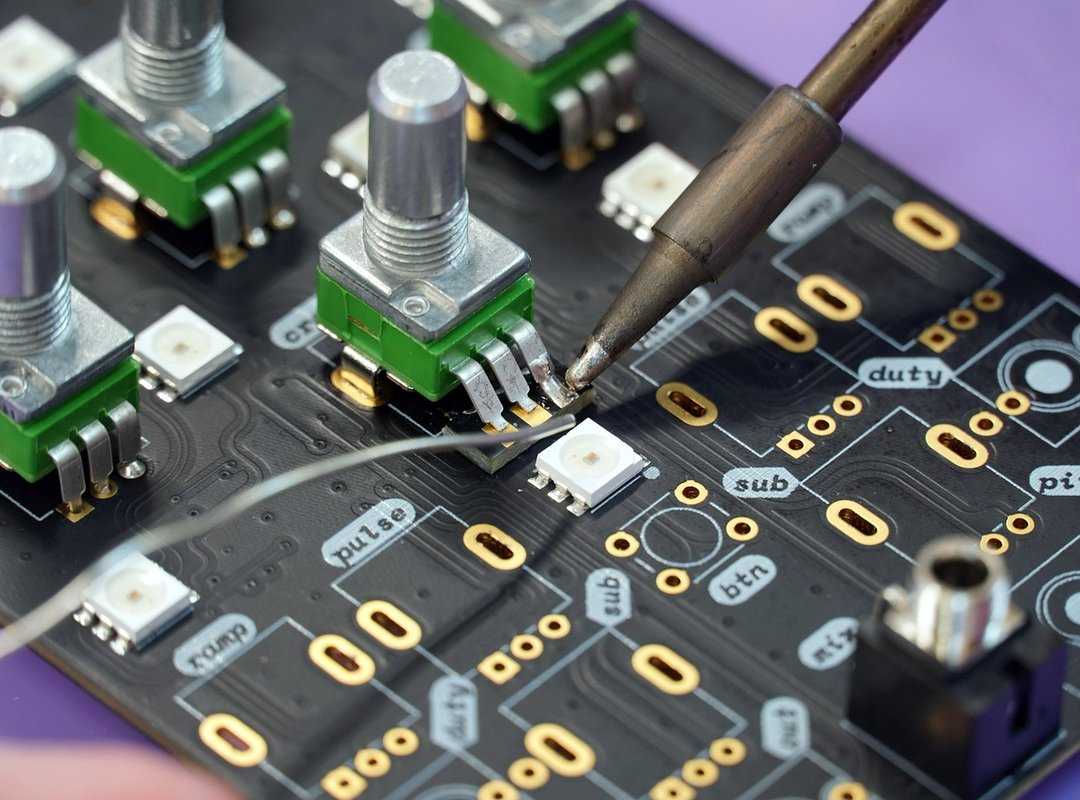
This creates unwanted noise that degrades sound quality. It’s like trying to enjoy a concert with a lawnmower revving in the background. Not ideal, right?
Enter the DAC. A DAC, or Digital-to-Analog Converter, is a specialized device that translates digital audio files into the analog signals your headphones crave. Unlike the onboard chip, a DAC delivers sound with much higher fidelity.
It’s the difference between a scratchy old radio and a live orchestra.
Now, let’s talk options. Internal sound cards and external DAC/Amp combos are your go-tos. Internal sound cards sit inside your PC, but external units offer more versatility.
They provide a cleaner signal path and are easier to use with both PCs and consoles. Plus, they dodge the electrical noise within your PC case. It’s like moving from a noisy apartment to a quiet suburban home.
So, what’s in it for you? With a dedicated DAC or sound card, you can power higher-end headphones, enjoy a cleaner and more detailed sound profile, and explore superior software controls. It’s a game-changer for immersive game audio.
Ready to upgrade your setup? Check out this guide for more takeaways. Don’t let your motherboard hold you back.
Dive into the world of exceptional audio and transform your gaming experience.
Fine-Tune Your Digital Soundscape: It’s All in the Settings
to the world of in-game audio settings. Ever noticed those presets like ‘Headphones,’ ‘TV,’ or ‘Night Mode’? They’re your first stop for tweaking sound.
Each setting is designed for different listening environments. Take ‘Changing Range,’ for instance. Set it to ‘Full’ for a cinematic experience, but if you want to hear quiet sounds like footsteps, go ‘Compressed.’
Now, let’s talk about Equalization, or EQ. It’s like having a magic wand for audio. You can boost certain frequencies to boost what you want to hear.
Need to catch those sneaky footsteps? Tweak the Hz range around 250-350. Equalizer APO is a free tool for the PC folks out there who want to dig deeper (it’s solid stuff).
Spatial audio is the real game-changer. These technologies create a 3D ‘bubble’ of sound around you. Think of Dolby Atmos for Headphones, DTS Headphone:X, and Windows Sonic.
They’re designed to make that audio experience truly immersive. Which one’s better? It’s subjective.
Dolby tends to have a wider soundstage, while DTS focuses more on clarity. Windows Sonic is a budget-friendly option if you’re just getting started.
In the end, tweaking these settings can transform your gameplay. Immersive game audio isn’t just a nice-to-have. It’s important.
So, why settle for less when you can upgrade your audio game and dominate?
Raise Your Gaming Sound Today
You’ve got the roadmap for immersive game audio. No more settling for boring, flat sound that ruins your gaming vibe. The right gear, signal processing, and software fine-tuning are your new best friends.
Why stick with mediocre when you can have mind-blowing? Start by assessing your current setup. Is your headset ancient history?
Maybe you just need to flip on Windows Sonic. Experience the change. Feel the difference.
Ready to transform your gaming world? Start now. Follow this guide.
Upgrade one thing today. You’ll hear why we’re the go-to for audio magic. Don’t wait.
Make it happen.

 is the kind of writer who genuinely cannot publish something without checking it twice. Maybe three times. They came to console vs pc debates through years of hands-on work rather than theory, which means the things they writes about — Console vs PC Debates, Linux-Compatible Game Engines, Hot Topics in Gaming, among other areas — are things they has actually tested, questioned, and revised opinions on more than once.
That shows in the work. Jameson's pieces tend to go a level deeper than most. Not in a way that becomes unreadable, but in a way that makes you realize you'd been missing something important. They has a habit of finding the detail that everybody else glosses over and making it the center of the story — which sounds simple, but takes a rare combination of curiosity and patience to pull off consistently. The writing never feels rushed. It feels like someone who sat with the subject long enough to actually understand it.
Outside of specific topics, what Jameson cares about most is whether the reader walks away with something useful. Not impressed. Not entertained. Useful. That's a harder bar to clear than it sounds, and they clears it more often than not — which is why readers tend to remember Jameson's articles long after they've forgotten the headline.
is the kind of writer who genuinely cannot publish something without checking it twice. Maybe three times. They came to console vs pc debates through years of hands-on work rather than theory, which means the things they writes about — Console vs PC Debates, Linux-Compatible Game Engines, Hot Topics in Gaming, among other areas — are things they has actually tested, questioned, and revised opinions on more than once.
That shows in the work. Jameson's pieces tend to go a level deeper than most. Not in a way that becomes unreadable, but in a way that makes you realize you'd been missing something important. They has a habit of finding the detail that everybody else glosses over and making it the center of the story — which sounds simple, but takes a rare combination of curiosity and patience to pull off consistently. The writing never feels rushed. It feels like someone who sat with the subject long enough to actually understand it.
Outside of specific topics, what Jameson cares about most is whether the reader walks away with something useful. Not impressed. Not entertained. Useful. That's a harder bar to clear than it sounds, and they clears it more often than not — which is why readers tend to remember Jameson's articles long after they've forgotten the headline.